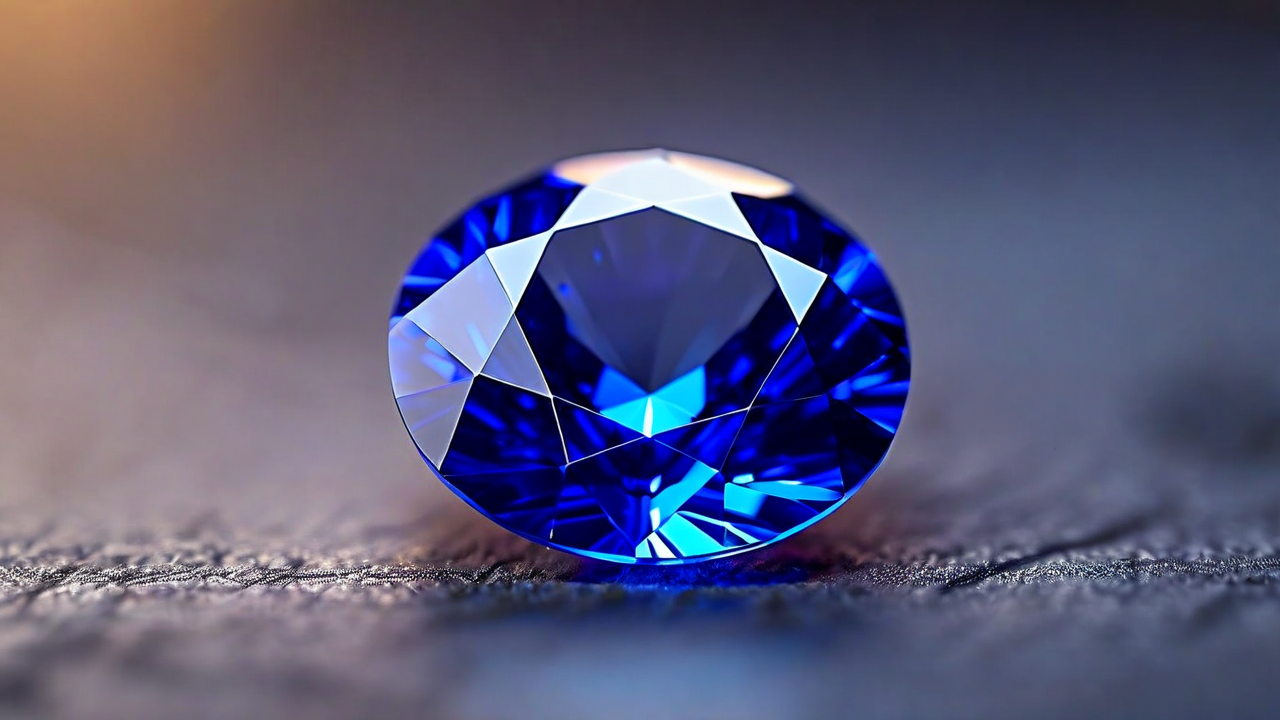
Gemstones are more than just ornaments they are treasures shaped by the earth over millions of years, celebrated across cultures as symbols of power, love, and spirituality. In Sri Lanka, once known as Ceylon, sapphires and other precious gems have defined the island’s legacy for over two millennia, earning it the title Ratna Dīpa the “Island of Jewels.”
Yet in today’s global marketplace, imitations, synthetic stones, and dishonest sellers make it difficult for buyers to know whether a gem is truly genuine. Understanding how to buy an authentic stone not only protects your investment but also connects you to a heritage of craftsmanship and natural beauty that is impossible to replicate.
🌍 1. Know the Origin of Your Gem
A gem’s origin is one of the strongest indicators of its value and authenticity. Sri Lanka’s Ratnapura, the legendary “City of Gems,” has supplied stones to kings, emperors, and explorers for centuries. Gems from Ratnapura are celebrated for their clarity, brilliance, and spectrum of colors from the velvety blues of sapphires to the fiery tones of spinel and zircon.
Tip: Always ask sellers about a stone’s origin. If they cannot explain or provide proof, it may be cause for caution.
🧾 2. Insist on Certification
A certificate is the gemstone’s passport. Trusted gemological laboratories such as GIA (Gemological Institute of America), NGJA (National Gem and Jewellery Authority of Sri Lanka), or SSEF (Swiss Gemmological Institute) provide professional evaluation of authenticity, treatment, and sometimes origin.
What a certificate tells you:
Whether the stone is natural, synthetic, or imitation.
If it has undergone treatments such as heating or filling.
Its carat weight, cut, and clarity grade.
Tip: Avoid buying gems without certification, especially online. A genuine dealer will provide certificates without hesitation.
💡 4. Understand Treatments
Most gems are enhanced in some way, but treatments vary in acceptability and permanence.
Common and accepted: Heat treatment to intensify color.
Caution: Glass filling, dyeing, or diffusion treatments, which can make stones fragile and reduce long-term value.
Tip: Always ask your dealer if the gem has been treated and ensure the details are listed on the certificate.
🤝 5. Buy from Trusted Dealers
Perhaps the most important step is choosing the right seller. Genuine dealers like Jayamini Gems are transparent about sourcing, provide certification, and guide buyers with honesty. Avoid impulse buys from street vendors or online sellers with no reputation.
Tip: Look for dealers who share their story, history, and ethical sourcing practices. Trust is built not just through sales, but through education and transparency.
✨ Final Thoughts
A genuine gemstone is more than a piece of jewelry—it is a fragment of history, a work of art by nature, and a connection to centuries of human culture. By understanding a gem’s origin, insisting on certification, studying its features, and buying from trusted sources, you ensure that your investment is not only beautiful but also authentic.
In Sri Lanka, the Island of Jewels, gems continue to tell their timeless story. And when you choose wisely, that story becomes part of yours.